
Table of Contents
- Introduction
- Why Outsource Dental Lab Services?
- Types of Outsourcing Models
- Selecting the Right Lab Partner
- Quality Control and Communication
- Digital Workflow Integration
- Financial Considerations
- Best Practices for Successful Partnerships
- Conclusion
Introduction
The relationship between a dental practice and its laboratory is one of the most critical partnerships in clinical dentistry. The quality, timeliness, and consistency of laboratory work directly influence treatment outcomes, patient satisfaction, and practice profitability. For many practices, strategically outsourcing laboratory services—rather than maintaining an in-house lab—offers significant advantages in terms of cost efficiency, quality, and access to specialized expertise.
This guide provides dental practices with a comprehensive framework for evaluating, selecting, and managing outsourced dental laboratory partnerships, with particular focus on the digital workflows that define modern lab relationships.
Why Outsource Dental Lab Services?
Cost Efficiency
Maintaining an in-house laboratory requires significant capital investment in equipment (mills, furnaces, scanners), materials, space, and skilled personnel. Outsourcing converts these fixed costs into variable costs that scale with case volume. Practices avoid the overhead of equipment maintenance, material inventory, and staff training while accessing professional laboratory capabilities.
Access to Specialized Expertise
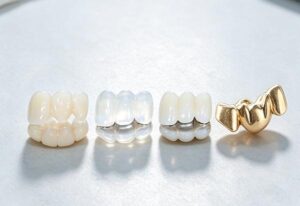
Modern dental restorations span an increasingly complex range of materials and techniques—from monolithic zirconia and lithium disilicate to implant-supported full-arch prostheses and digital dentures. Outsourcing gives practices access to technicians who specialize in specific material systems and restoration types, ensuring each case benefits from expert-level craftsmanship.
Scalability and Flexibility
Outsourced laboratory services scale effortlessly with practice growth. Whether the practice handles 10 or 100 cases per month, the laboratory partnership adjusts without the practice needing to hire, train, or equipment-up for increased volume. This flexibility is particularly valuable for practices experiencing growth or seasonal fluctuations.
Technology Access
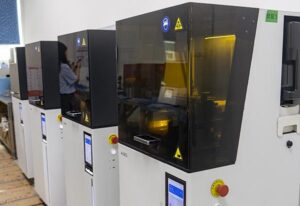
Professional laboratories invest in the latest CAD/CAM systems, 3D printers, and material technologies—investments that would be prohibitive for most individual practices. By outsourcing, practices gain access to state-of-the-art production capabilities without the capital expenditure.
Focus on Core Competencies
By delegating laboratory work to specialists, dentists can focus on what they do best: diagnosis, treatment planning, clinical procedures, and patient care. This division of labor optimizes the use of professional time and enhances practice efficiency.
Types of Outsourcing Models
Local Laboratory Partnership
Working with a laboratory in the same geographic area offers advantages in communication, rapid turnaround, and the ability to conduct in-person case consultations. Local labs may offer pickup and delivery services and can accommodate urgent cases more easily.
Best for: Practices that value face-to-face communication, complex cases requiring collaboration, and time-sensitive restorations.
Domestic Remote Laboratory
Domestic laboratories operating in different regions often offer competitive pricing while maintaining the regulatory compliance and quality standards of the practice’s home country. Digital workflows make geographic distance largely irrelevant for case communication.
Best for: Practices seeking cost savings without compromising regulatory compliance or quality standards.
Offshore Laboratory Partnership
Offshore dental laboratories—particularly in countries like Vietnam, China, and India—offer significant cost savings (often 40–70% below domestic pricing) while providing quality that meets international standards. Many offshore labs have invested heavily in digital technology and serve U.S. and European markets exclusively.
Best for: High-volume practices, budget-conscious patients, and practices with established digital workflows that minimize communication friction.
Hybrid Approach
Many practices use a hybrid model: outsourcing routine cases to cost-effective labs while reserving complex, high-value cases for specialized local or domestic laboratories. This approach optimizes both cost and quality across the practice’s case mix.
Selecting the Right Lab Partner
Quality Assessment
- Request sample cases across different restoration types and materials
- Evaluate marginal fit, occlusal accuracy, and aesthetic quality
- Check for consistency across multiple samples
- Review case portfolio and before/after documentation
- Verify material certifications and regulatory compliance (FDA, CE, ISO)
Technology Capabilities
- Intraoral scan file compatibility (STL, PLY, OBJ formats)
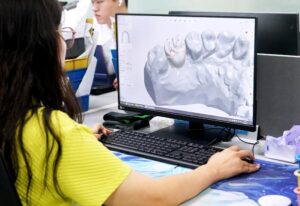
- CAD/CAM system compatibility and design software
- 3D printing capabilities for models, guides, and provisionals
- Digital case management platform
- Material range (zirconia, lithium disilicate, PMMA, metals)
Service Level and Communication
- Turnaround time guarantees and consistency
- Communication channels (phone, email, digital platform)
- Case tracking and status updates
- Remake policy and problem resolution process
- Technical support and case consultation availability
Business Considerations
- Pricing structure and volume discounts
- Payment terms and billing process
- Shipping logistics and cost responsibility
- Insurance and liability coverage
- Contract terms and exclusivity requirements
Quality Control and Communication
Establishing Quality Standards
Clear quality expectations should be established from the outset of the partnership:
- Define acceptable marginal fit tolerances
- Specify occlusal contact standards and articulation requirements
- Establish shade matching protocols and communication
- Set expectations for surface finish and polish quality
- Create a feedback loop for quality issues and improvements
Communication Protocols
Effective communication is the cornerstone of successful lab partnerships:
- Digital prescriptions: Use digital case management platforms that include detailed prescriptions, clinical photos, and design preferences
- Photo communication: Share preoperative, preparation, and shade photos through the digital platform
- Design preview: Request digital design previews before production for complex cases
- Feedback system: Establish a structured feedback process for both positive and negative outcomes
- Regular review: Schedule periodic partnership reviews to discuss quality trends, case volume, and process improvements
Remake and Resolution Process
Even with the best partnerships, occasional remakes are necessary. Establish clear protocols for:
- Identifying the cause of the issue (clinical vs. laboratory)
- Remake turnaround time and priority handling
- Cost responsibility for remakes
- Process improvement to prevent recurrence
Digital Workflow Integration
Digital technology has dramatically improved the efficiency of outsourced lab relationships:
Intraoral Scanning
Digital impressions eliminate physical shipping and enable same-day case submission. STL files are transmitted instantly to the laboratory, reducing turnaround time by 1–3 days compared to physical impression shipping.
Digital Case Management
Cloud-based platforms (such as 3Shape Communicate, lab portal systems, or proprietary platforms) provide:
- Case submission with digital prescriptions
- Real-time case status tracking
- Clinical photo and shade communication
- Design preview and approval
- Digital model storage and retrieval
- Historical case archive for future reference
Digital Design Approval
For complex cases, many labs offer digital design previews that allow the dentist to review and approve the proposed restoration design before production. This collaborative approach reduces remakes and ensures the final result meets clinical expectations.
Financial Considerations
Pricing Models
- Per-case pricing: Standard fee per restoration type; most common model
- Volume-based pricing: Discounted rates based on monthly case volume
- Subscription model: Fixed monthly fee for unlimited or capped case volume
- Material-based pricing: Pricing varies by material system (zirconia, lithium disilicate, etc.)
Hidden Costs to Consider
- Shipping costs (for physical impressions and models)
- Remake costs and patient reappointment time
- Communication time for case discussion
- Integration setup (digital platform configuration)
- Quality verification time at delivery
ROI Analysis
When evaluating outsourcing, practices should consider:
- Cost per case comparison (in-house vs. outsourced)
- Time savings for clinical staff
- Reduced equipment and material costs
- Improved case acceptance from higher quality restorations
- Reduced remake rates from professional laboratory quality
Best Practices for Successful Partnerships
1. Start with a Trial Period
Begin with a limited number of cases to evaluate quality, communication, and turnaround before committing to a full partnership. This allows both parties to calibrate expectations and identify any issues early.
2. Document Everything
Maintain detailed records of case prescriptions, communication, and outcomes. Digital platforms make this easy and provide a valuable reference for quality tracking and process improvement.
3. Invest in Relationship Building
The best lab partnerships are collaborative relationships, not transactional exchanges. Take time to understand your lab’s capabilities, visit when possible, and provide constructive feedback that helps them serve your practice better.
4. Standardize Your Workflows
Develop standardized protocols for case submission, shade communication, and quality verification. Consistency in your clinical processes helps the laboratory deliver consistent results.
5. Plan for Contingencies
Maintain relationships with backup laboratories in case of quality issues, turnaround delays, or capacity constraints. Having alternatives ensures your practice is never left without lab support.
6. Leverage Digital Technology Fully
Maximize the benefits of digital workflows by investing in intraoral scanning, digital case management, and design preview capabilities. The efficiency gains from digital integration multiply the benefits of outsourcing.
Conclusion
Outsourcing dental laboratory services, when done strategically, offers dental practices a powerful way to improve quality, reduce costs, and enhance operational efficiency. The key to success lies in careful partner selection, clear communication, robust quality control processes, and full leverage of digital workflow technology.
As digital dentistry continues to eliminate geographic barriers and streamline case communication, the range of viable laboratory partnerships expands. Practices that approach outsourcing as a strategic partnership—investing in relationship building, communication infrastructure, and quality management—will reap the greatest benefits in terms of clinical outcomes, patient satisfaction, and practice profitability.
The future of dental practice-laboratory relationships lies in digital integration, collaborative design, and strategic specialization. By embracing these trends and implementing the best practices outlined in this guide, dental practices can build laboratory partnerships that elevate the quality of care they provide while optimizing their operational and financial performance.