Table of Contents
- Introduction
- Veneer Types and Materials
- Porcelain Veneers
- Zirconia Veneers
- Composite Veneers
- Preparation Techniques
- Indications and Contraindications
- Digital Workflow for Veneers
- Conclusion
Introduction
Dental veneers—ultra-thin shells of ceramic or composite material bonded to the labial surface of anterior teeth—represent one of the most powerful tools in aesthetic dentistry. They can transform discolored, chipped, misaligned, or worn teeth into a harmonious, natural-looking smile with minimal tooth reduction.
The evolution of veneer materials and bonding technologies has dramatically expanded what can be achieved conservatively. Understanding the properties, indications, and limitations of each veneer type is essential for clinicians seeking to deliver predictable, long-lasting aesthetic results.
Veneer Types and Materials
Modern veneers can be classified by material and by preparation design:
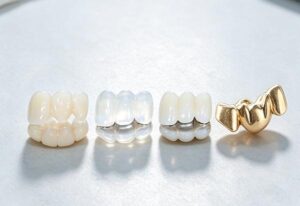
- By material: Feldspathic porcelain, lithium disilicate, zirconia, composite resin
- By preparation: Conventional (with reduction), minimal-prep, and no-prep veneers
Porcelain Veneers
Porcelain veneers, particularly those fabricated from feldspathic ceramic or lithium disilicate (IPS e.max), remain the gold standard for aesthetic veneer restorations. They offer unmatched translucency, fluorescence, and the ability to mimic natural enamel’s optical depth.
Feldspathic Porcelain Veneers
Feldspathic veneers are hand-layered by a dental ceramist, building up incremental layers of porcelain powder to create the desired color, translucency, and characterizations. This technique offers the highest level of aesthetic customization, making it ideal for matching single teeth to natural dentition or creating highly characterized restorations. However, flexural strength is relatively low (60–100 MPa), requiring careful bonding and patient selection.
Lithium Disilicate Veneers
Pressed or milled lithium disilicate veneers offer a balance of aesthetics and strength (360–500 MPa flexural strength). Their excellent translucency and reliable bonding make them the most commonly prescribed veneer material today. They can be stained and glazed externally for characterization or layered with veneering porcelain for enhanced aesthetics.
Advantages of Porcelain Veneers
- Superior aesthetics—natural translucency and depth
- Excellent color stability—no staining over time
- Strong, durable bond to etched enamel
- Biocompatible and tissue-friendly
- 10–15+ year clinical longevity when properly bonded
Zirconia Veneers
Zirconia veneers represent the newest category in veneer materials. Made from high-translucency zirconia ceramic, they offer exceptional strength (800+ MPa) while providing acceptable aesthetics for certain clinical situations.
Advantages
- Superior fracture resistance—ideal for patients with parafunctional habits
- Can be made extremely thin (0.3–0.5 mm)
- Excellent for masking severe discoloration
- No chipping risk (monolithic structure)
Limitations
- Less translucent than porcelain—aesthetic outcome may appear opaque
- Bonding is more technique-sensitive (requires special surface treatment)
- Limited ability for external staining and characterization
- Not ideal for high-aesthetic-demand single-tooth matching
Best Indications
Zirconia veneers are best suited for cases requiring maximum strength combined with moderate aesthetics: bruxism patients, teeth with severe discoloration or tetracycline staining, and cases where minimal reduction is desired but masking is necessary.
Composite Veneers
Composite resin veneers can be directly applied (freehand in the mouth) or indirectly fabricated (in the lab on a model). While they cannot match the aesthetics and longevity of porcelain, they offer advantages in cost, repairability, and reversibility.
Advantages
- Lower cost than ceramic options
- Single-visit placement (direct technique)
- Easily repairable if chipped
- Conservative—often no tooth reduction needed
- Reversible in many cases
Limitations
- Lower aesthetic quality—less natural translucency
- Prone to surface staining over 3–5 years
- Shorter lifespan (5–7 years typical)
- More susceptible to chipping and wear
Preparation Techniques
The preparation design significantly influences the final aesthetic outcome, bond strength, and longevity of veneer restorations:
Conventional Preparation
Involves 0.5–0.7 mm reduction of the labial surface with a chamfer finish line at the gingival margin. This design provides space for the ceramist to create proper optical depth and contour. A minimally invasive incisal overlap (palatal wrap) of 1–2 mm improves mechanical retention and aesthetic integration.
Minimal-Prep Veneers
Reduces tooth structure by only 0.3–0.5 mm, preserving enamel for bonding. This approach is suitable when the existing tooth position and color allow for addition rather than reduction—such as adding facial contour to small or worn teeth.
No-Prep Veneers
Also called “contact lens” veneers, these ultra-thin restorations (0.2–0.3 mm) are bonded directly to unprepared enamel. They are ideal for conservative smile enhancements but can result in over-contoured teeth if case selection is not careful. Best for teeth that are slightly undersized, positioned lingually, or have mild discoloration.
Indications and Contraindications
Indications
- Discoloration unresponsive to whitening (tetracycline staining, fluorosis)
- Chipped or worn anterior teeth
- Diastema closure
- Mild misalignment (instant orthodontics)
- Shape modification (peg laterals, congenitally missing laterals)
- Aging smile rehabilitation
Contraindications
- Severe bruxism (unless using zirconia or occlusal guard)
- Insufficient enamel for bonding
- Severe crowding requiring orthodontic treatment
- Poor oral hygiene or active periodontal disease
- Extensively restored teeth (better served with full coverage)
Digital Workflow for Veneers
The digital workflow has significantly improved the predictability of veneer treatment:
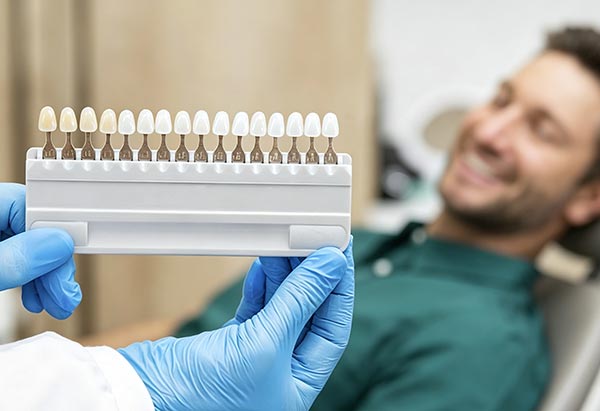
- Digital smile design: Software tools allow clinicians to design the ideal smile based on facial proportions, lip dynamics, and patient preferences
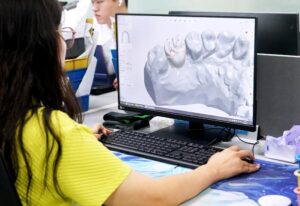
- Intraoral scanning: Replaces traditional impressions, providing accurate digital models instantly
- CAD design: Veneers are designed digitally with precise control over thickness, contour, and emergence profile
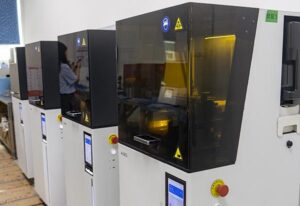
- Mock-up fabrication: 3D-printed or milled mock-ups allow patients to preview the final result before preparation
- Guided preparation: Silicone or printed preparation guides ensure precise, conservative reduction
- CAM production: Milled lithium disilicate or printed restorations with consistent quality
This digital workflow enhances communication between dentist, patient, and laboratory, reducing errors and ensuring that the final result meets aesthetic expectations.
Conclusion
Dental veneers remain one of the most effective and conservative treatments for aesthetic smile enhancement. The choice of material—porcelain, zirconia, or composite—depends on the clinical situation, aesthetic demands, budget, and patient habits. By combining proper case selection, meticulous preparation, and digital workflow technology, clinicians can deliver veneer restorations that provide beautiful, natural, and long-lasting results.
As materials and digital technologies continue to advance, the future of veneer dentistry promises even thinner, stronger, and more aesthetic restorations—pushing the boundaries of conservative aesthetic treatment while maintaining the predictability that patients and clinicians expect.